Basics for beginning herbalists
In this post, I write about the benefits of herbal medicine, how to get started in natural healing, certification programs for herbalists, cautions and contradictions, where to find reliable herb suppliers, and more.
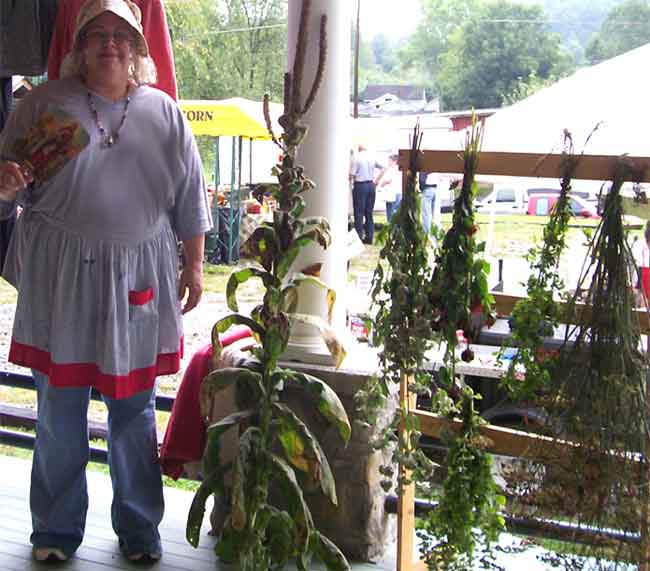
Beginning herbalists should follow a few rules.
- Read all you can, and watch educational videos before you start taking unfamiliar herbs.
- Always use the best supplies you can find.
- Buy herbal supplies from reputable dealers.
- Give herbs time to work. While you are waiting on your healing, work on improving your diet, staying hydrated, and getting more exercise.
- Do not give medicinal herbs to babies, small children, the elderly, or anyone on prescription medicines (without advice from their professional healthcare provider).
- Use one herb at a time, then gradually add other herbs and blends over time.
- Taking one herb for a while, then switching to another is beneficial in many ways. I find that adding a variety of herbs to my life is best. All herbs are good for the body, although many are known for treating specific health problems.
- Get herbs into your body every day. Add ginger to stir fries, drink herbal teas during breaks throughout the day, sprinkle chopped fennel on your salad, add parsley to stews, eat burdock like potatoes, and flavor everything with garlic!
- Take notes and keep records. As time goes by, you will have wealth of knowledge at your fingertips.
Using herbs to protect and heal
Although I don't consider myself a clinical herbalist, I do write about herbal medicine, answer questions, and promote natural healing every chance I get.
If you want to become an herbalist, you can start slow or go all in. I started out by growing a few herbs in my kitchen window, drinking herbal teas, and reading library books (the internet did not exist).
You could also pursue an academic degree or herbalist certification. There is no set path for becoming a healer.
A note of caution
There are legal issues when diagnosing diseases or recommending treatments, for free or for money. It is illegal to practice medicine without a license, although it is OK to teach and share experiences.
If you are looking for simple ways to keep yourself and your loved ones healthy, there is no need for degrees, certificates, or malpractice insurance. All you need is common sense and a desire to know more.
Everyone can benefit from simple, inexpensive natural remedies and medicinal herbs!
Whether you want to open up a practice, or use herbs to treat yourself and your family, keep reading. Hopefully you will find some basic information that will help you along your journey.
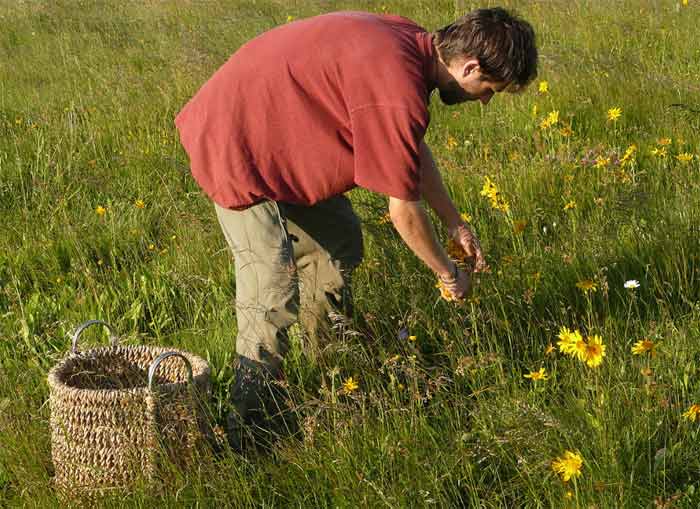
Why should a person study herbal medicine?
Are herbs better than pills? Sometimes they are!
- Medicinal herbs have gone through many centuries of testing, and they bring reliable results when used properly.
- Herbs work best in their natural state and require no complicated processing.
- Herbs are very inexpensive when compared to prescription medicine and doctor visits.
- If you have a garden or patio, you can grow you own herbs for the price of a few seeds.
- Herbal medicine is especially useful for people that fall through the cracks, lacking insurance or means to pay high fees for tests and doctors.
- No expensive equipment is required to make healing teas, compresses, and other herbal products. All you need is a tea pot, clean water, a heat source, and some medicinal plants.
- Medicinal herbs protect and heal the body with little danger of toxicity or overdose.
- Herbs rarely cause side-effects, although everyone is different and allergic reactions can occur.
- There is an herb or a herbal blend for every condition from anxiety and asthma to urinary problems and warts.
More praise for herbs
Unlike many prescription pills, most herbs are very gentle and can be taken on an empty stomach. Herbs address not just the symptoms, but also the causes of health problems. They cleanse, lubricate, and tone specific parts of the body.
Herbs also act to heal the body as a whole. Herbs are a gift from God and as a practicing herbalist, I am very thankful for them.
Herbalist certification programs and schools
Many schools are located around the United States to accommodate the growing demand for professional herbalists. Any of these would be a good place to start.
-
Southwest Institute of Healing Arts,
-
East West School of Herbology
-
Appalachia School of Holistic Herbalism
-
Maryland University of Integrative Health (which offers a Master of Science in Clinical Herbal Medicine )
-
Botanologos School of Herbal Studies
Besides schools for learning, there are also many organizations dedicated to herbalists and herbal medicine. One that stands out is the American Herbalist Guild. They offer herbalist certification guidelines, and a list of professional herbalists in case you are looking for one.

A good herbalist asks questions.
Herbalists should gather as much information as possible about their clients before beginning a treatment plan. Being as ease when asking personal questions (and hearing the answers) is an important part of the job. Herbalists should also take notes and keep records for each person they help.
Current complaints, symptoms, ongoing treatments, medical history, past injuries, lifestyle, sleeping patterns, diet, emotional state, work, and environmental hazards can help determine what is needed for healing.
Herbalists must understand that all treatment plans should address the whole person - their mind, spirit, and body.
Many people rely on herbal medicine.
People around the world depend on herbal remedies for treating all kinds of sickness and disease.
Herbal medicine has many attractions. It can be broad-based for complete body support or specific to a particular problem.
Herbs are relatively inexpensive when purchased and can grown or harvested in the wild for free.
Herbal medicine is time-tested, safe, and works.
Herbal medicine has a long history.
India produced the first herbal-based medical system, Ayurveda or the Science of Life, 6000 years ago. Oriental medicine, around for more than 5,000 years, combined such specialties as herbal medicine and acupuncture.
These medicinal arts are still practiced today with excellent results.
The Bible references herbal medicine many times in the Old and New Testaments. One verse, Proverbs 27:25 reads, "The hay appeareth, and the tender grass sheweth itself, and herbs of the mountains are gathered."
Throughout history, people have depended on faith, prayer, and herbal remedies for health problems.
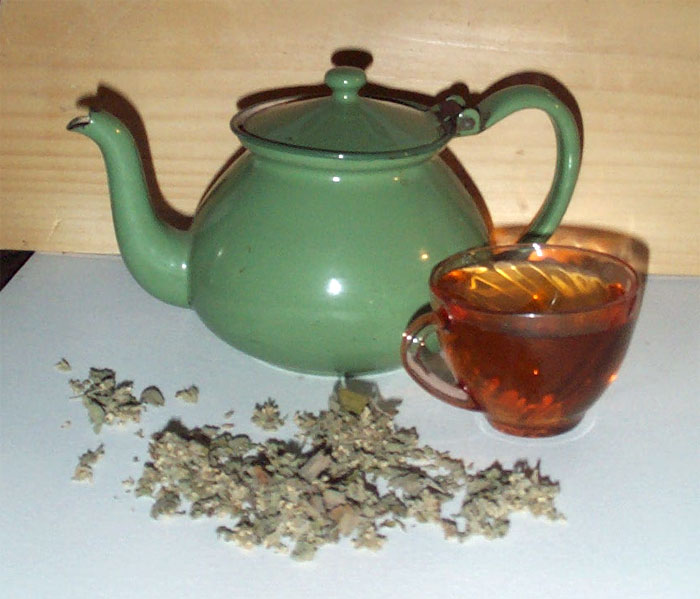
There are many reasons to use herbs for healing.
Herbal medicines are a foundation, working through the glands to nourish the body's basic elements. Herbs are not harmful or addictive if administered correctly. Herbal medicines do not overwhelm the body's immune system, instead they help build immunity naturally.
Medicinal herbs are for everyone!
Herbal medicine was on the back burner of the health industry for many decades. Not because herbs were ineffective, but because pharmaceuticals were marketed as modern miracles compared to old-fashioned herbal remedies.
Marketing campaigns with million dollar budgets trumped common sense, and people turned to doctors and prescription medications for every health problem. People began to expect a pill for everything, even things that could be better treated with herbs, natural remedies, and lifestyle changes.
Things are finally coming full circle. Doctors and nurses help save lives every day and modern medicine is doing some amazing things, but now people are turning back to herbalists for part of their overall healthcare. In today's world, modern medicine and herbal medicine are finding common ground.
With all the sick people, there is plenty of room for both herbal and modern medicine in the healthcare industry. Now is a great time to become an herbalist.
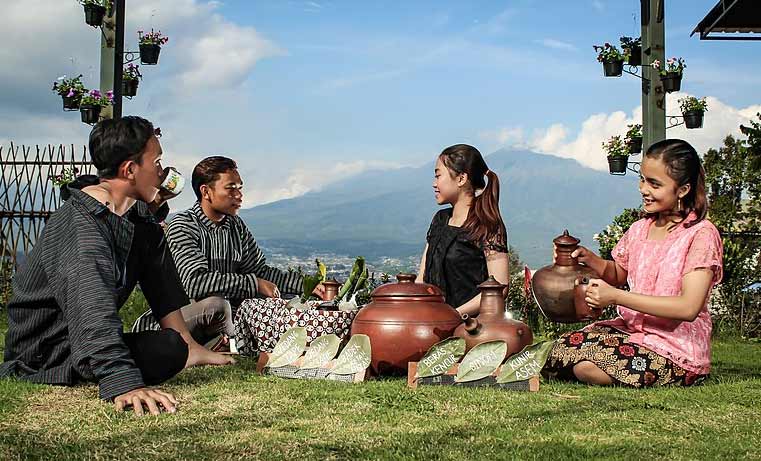
Medicinal herbs balance and regulate.
Unlike over-the-counter and prescription drugs, medicinal herbs address the symptoms and causes of a health problem without causing harmful side effects. As medicinal herbs nourish our bodies, they help to balance and regulate bodily functions. Most medicinal herbs act as a tonic to promote whole body health.
Whole herbs are living substances that protect and heal.
Herbs are living medicines that you can trust to do what century old traditions promise they will do. Herbal remedies might not bring immediate results, but if the right herb is taken in correct doses, over a long enough period of time, good results will be forthcoming.
Herbs work slowly to support the body and reverse damage.
Herbs work in the body to nourish everything from the skin to the brain. They act slowly to support the body and reverse damage. Usually one herb will do the job, but sometimes a blend works better.
Sometimes the synergy obtained from a combination of herbs is the best solution. For example, when treating a cough, an herbalist may recommend several herbs such as wild-cherry bark, mullein, and eucalyptus.
Each of these herbs works on a different part of the body to soothe, heal, and protect. No two people are exactly alike, so using a combination of herbs helps to ensure that the patient receives the greatest chance of recovery.
*A note of caution - beginning herbalists should stick to one herb at a time. Learn about one herb before moving on to the next. Use blends once you gain experience.
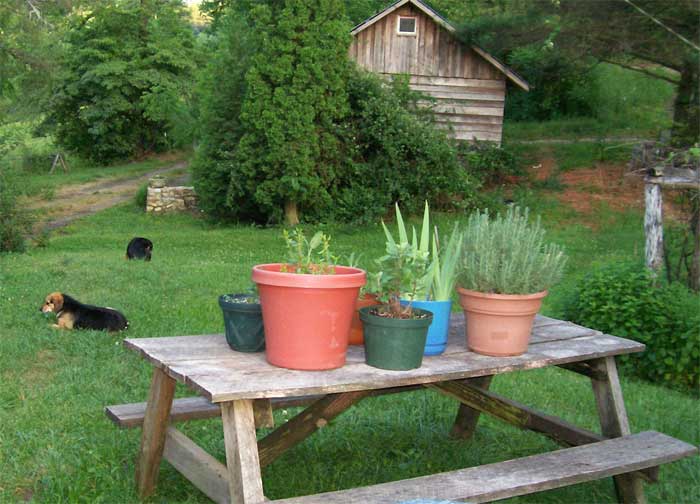
Some herbs should always be combined with other herbs.
There are exceptions to rules. Certain herbs act as catalysts and should be used in blends, not alone for best results. Examples include cayenne, lobelia, sassafras, mandrake, tansy, snake root, wormwood, woodruff, poke root, and rue.
These potent herbs enhance other herbs to bring about specific results. Usually only a pinch is required in a single serving remedy.
Synergy is an interesting concept in herbal medicine.
Students of herbal medicine will need to know the meaning of synergy.
Synergy is a governing principle when preparing herbal remedies. Synergism states that the strength of the sum of the parts is greater than the strength of the individual.
An example is the combination of ginseng and licorice. The synergy of the two herbs makes a medicine that is many times more effective than either herb alone. Combined, ginseng and licorice work together as a powerful immune system stimulant.
Of course, many herbs are used alone and do their jobs just fine. Try individual herbs before using blends. Move on to blends as needed.
Synergy also refers to the way a whole herb works to avoid side effects.
It is best to use the plant parts in their entirety rather than trying to isolate the active ingredients. Each element of a plants part has specific roles within the body to heal and protect.
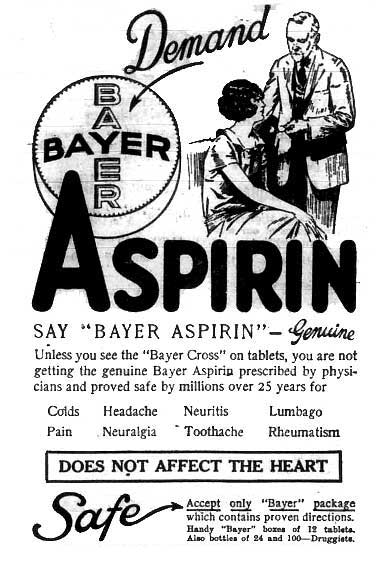
An example is aspirin. The active ingredient in aspirin is an acid. Alone it can burn the stomach. This acid is also present in willow bark. Willow bark tea does not burn the stomach because the bark also contains a substance that protects the stomach from damage.
When plants are broken into individual chemicals, you lose many of the healing and protective properties. That is why prescription medicines have so many side effects. You have to take three pills to combat the damage the drug is doing!
Of course, there are miracle drugs, that I would not hesitate to take if I needed them! I am an herbalist, but very thankful for modern medicine.
Read more about the history of herbal medicine here.
What herbs should I start with?
I started by growing some basil in my kitchen window. Soon I purchased lavender and eucalyptus essential oils and a few more supplies from a health food store. I began using more culinary herbs, and harvesting local herbs like mullein to use in teas.
The best herbs to start with are ones that are grown locally. Most every town in America has plantain, dandelion, cleavers, chickweed, and other medicinal herbs growing in lawns and along the roadsides. Other herbs can be found at farmer's markets and health food stores. Grocery stores also sell a variety of herbal teas. The last time I looked, there were over twenty varieties available at Wal-mart.
You should also choose herbs that meet a need in your life. If your immunity is poor, start with astragalus. If you have migraine headaches, try some feverfew. These are just a couple of examples, but I am sure you get the picture.
As you gain experience, you will want to stock up on favorites. My herb panty contains over 30 different herbs, but I have been doing this a long time.
Some of my favorites to keep handy for regular use include lavender essential oil, green tea, garlic, chamomile, fennel seed, mullein, yellowroot, aloe vera, and cayenne. There are many others that are also good to have in case they are needed.
A useful tip
Do not stock up on more herbs than you can use in a year, unless you plan on making tinctures. Herbs lose their medical properties as they age, unless preserved in alcohol, vinegar, honey, or some other medium.
In this video, herbalist Rick Vanman gives us a peek into his home apothecary.
Some herbs should not be taken every day.
It is best to rotate most herbal remedies. Take one herb or a blend of herbs for a couple of weeks and then switch to another herb or another blend, or discontinue for a week and then start again.
Most herbs work best when used only as needed. The dosage should be reduced as the condition improves.
There are exceptions such as taking feverfew to prevent migraine headaches. Feverfew works to prevent migraines and should be taken on a daily basis, before the pain ever starts. Ginseng is another exception. It has cumulative effects when taken long term.
With yellowroot and many other herbs, it is best to take it until your condition improves or up to two weeks. Then stop taking it.
For example, when I feel an infection coming on, maybe an uncomfortable feeling when I pee, I immediately brew a cup of yellowroot tea. I only have to drink one cup. I would never drink yellowroot tea everyday. It has a horrible taste!
I would recommend that you drink pleasant tasting tea like chamomile, mint, bee balm, and green tea every day. Most herbs are mild enough for everyday use, but do some heavy research if you plan on consuming something on a regular basis.
Some herbs should be consumed daily.
Broad-based super-foods like green drinks, seaweed, garlic, cabbage, onions, and bee products can be taken daily. These super foods are very effective in stimulating the body’s immune system and need to be consumed regularly.
Small servings will work. Do not overdo or you could end up with diarrhea or gas.
One herb can treat many different problems.
Herbalists soon learn that the value of an herb stems from the complexity of the whole plant. Once various properties are separated or extracted, many of the original benefits can disappear.
As mentioned in the synergy section, herbs contain elements that work together. That is why one herb can be used to treat many different problems.
An example is lavender. It can bring about relaxation or give energy, depending on what the person needs. Lavender can be used on bug bites and the skin. The aroma calms anxiety and is useful in the treatment of nervous disorders. The scent can often cure insomnia! The list goes on and on.
Cheap herbal supplements are not absorbed into the body and may contain mostly sawdust.
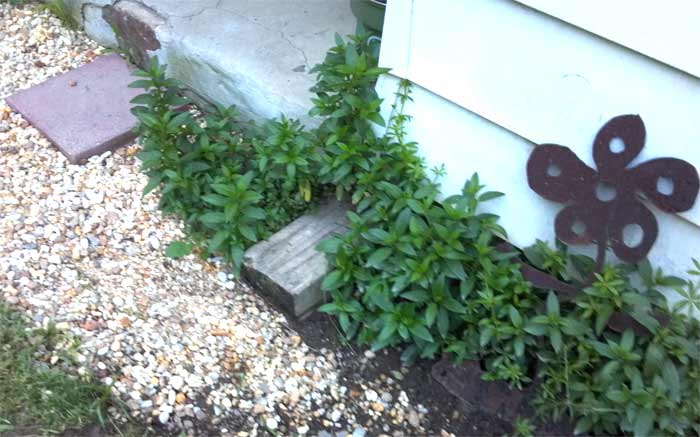
Herbs are not isolated chemicals.
Herbs are living substances. Their potency depends on many factors including plant variety, freshness, soil quality, age of plants when harvested, drying methods, and storage conditions.
Depending on the weather, herbs may be stronger one year and weaker the next. I have seen years when yellowroot was so potent that the aroma filled the house. Other years, there was just a mild medicinal scent.
A herbalist needs to know their herbs! Sometimes recipes and measurements are not exact. Herbal medicine is not the same as baking a cake.
Allergic reactions can happen when using some herbs.
Medicinal herbs have almost no harmful side effects when used in moderation although like most things in life, if taken in excess herbs can cause negative reactions. Some people are allergic to certain herbs, so start with small doses and work up as needed.
Allergic reactions to herbs can happen due to allergies like hay fever or because the herb has been contaminated. Always purchase herbs and spices from reputable dealers or grow your own.
Look for herbs that are whole or in big pieces rather than ground into fine particles. Herbalists should always choose whole herbs over capsules.
Sheep in wolves clothing
Beware of any company that claims to improve herbal properties by breaking apart the chemical components of natural herbal material. When I hear about synthesizing this compound or that compound from a medicinal herb to make it into a pill, I feel a sense of loss.
Do herbal supplement companies really think their chemists know more than God? In my experience, the whole herb is always best in the long run.
Herbalists are usually honest.
Most herbalists and herbal suppliers are down-to-earth, honest people. You can usually trust them to sell quality products. The key word here is usually.
Most leafy herbs dry out within a year or two, and lose most of their potency. Roots, barks, and resins can last much longer.
There are ways to tell if herbs are old and useless.
Test quality by doing a taste test. Does it have a distinctive flavor? No? Then the herb is probably old.
Also try an aroma test by crushing a few leaves between your fingers. Does the herb have a strong scent? If yes, then it is fresh or dried within the past year.
If your herbs aren't up to par, maybe you should look for fresher plant material. You will notice a world of difference.
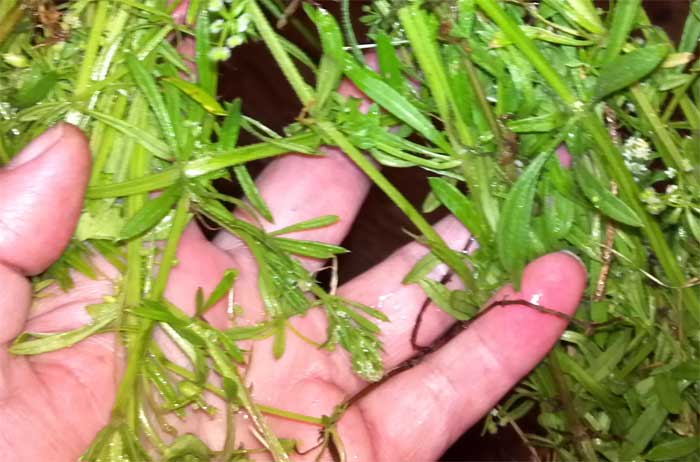
Break open herbal capsules and tea bags to test for quality.
If buying herbs in capsule or tea bag form, always read the ingredients list. The name of the desired herb should be listed at the very top.
With pre-packaged products, twist open a capsule or tear open the tea bag. Does it look and taste as it should?
For example, chamomile should have fuzzy-looking yellow particles (from the flower). Dandelion root should taste bitter on the tongue. Tea bags should have a nice aroma.
Many discount stores sell inferior products so look for growers, local health-food stores, and wellness centers that guarantee quality. High quality herbs are a must when it comes to healing. Poor quality herbs are worthless.
If you have garden space or even a place in the sun for some pots, grow your own. There is nothing like the fresh aroma and texture of living plants.
If you have been reading my Every Green Herb blog for a while, then you know we grow and sell a variety of herbs, but we also buy a lot, too. Try our favorite herbal suppliers for quality and value.
Forming personal relationships with medicinal herbs
Relationships with herbal plants can be formed in many ways. One of the best ways is to grow your own. Start with basil since it is easy to grow from seed.
Place the pot in a sunny window and watch the plant's growth habits. Harvest small amounts throughout the growing season to use in herbal tea and cooking. Note the aroma and savor the taste.
Try drying a bunch of fresh herbs or making an herbal tincture. This is the start of a relationship between the herbalist and herbs.
Science and herbal medicine
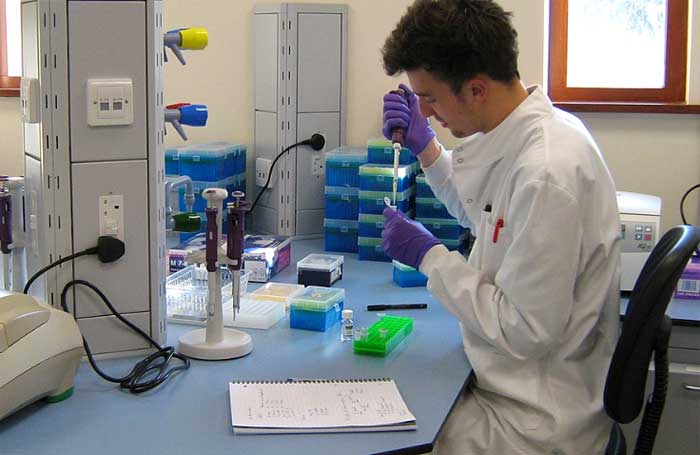
The worldwide annual market for herbal products is over US$ 60 billion! The World Health Organization, China, India, Nigeria, and the United States of America have all made huge research investments in traditional herbal medicines.
They are not only testing popular herbs, but also looking for novel chemical compounds to help overcome world health problems like cancer and diabetes. Because herbal medicine lacks standardization and regulation, it is difficult to establish definite results.
One factor that complicates the scientific study of herbal remedies is that herbs come in different strengths depending on genetics, growing conditions, and preparation methods.
Since most herbs treat the whole body, not just one symptom, scientists find it difficult to measure health benefits.
Some plants have been studied extensively, and conclusions have been drawn. Here are some examples:
- Caste tree is proven to help premenstrual syndrome.
- Garlic is useful as a platelet antiaggregant.
- St. John's Wort is shown to be a good antidepressant.
- Calendula is good for healing the skin.
More and more studies are being done on herbs and their effects on humans. As more scientific studies are done, I am sure experiments will prove that herbs are amazing substances that have much to offer mankind.
To me, they are gifts from God and I thank Him for them everyday.
Herbal medicines work differently than prescription drugs.
Herbs are nutritional substances that help promote healthy bodies. There is an old herbal saying, “One month of healing for every year of the problem.”
As an example, if you have been suffering from acne for three years, caused by choosing fast food over a healthy diet, then a glowing complexion is not going to appear overnight no matter what herbs you use. It will probably take three months to get clear skin once you change bad eating habits.
Herbal remedies are not always a quick fix.
When using herbal remedies, many times the condition worsens before getting better. Just like another old saying, “It is darkest just before the dawn.”
During healing, poisons and toxins are released into the system and must be flushed away before the patient will feel better. Herbal healing takes time.
Herbs work best when combined with a good diet.
That means lots of fresh fruit, colorful vegetables, whole grains, and clean water should be consumed every day. It is hard for herbs to do their jobs if they are fighting against preservatives, artificial food colorings, added chemicals, rancid fats, pollution from traffic, fumes from household cleansers, smoke, and other junk.
Herbal remedies help the body to heal itself.
Herbs and essential oils help break up toxins, help cleanse the tissues, speed digestion, regulate the glands, and do other amazing things. Herbs are living medicines. They are easy to use, gentle, safe, inexpensive, and can handle most problems.
Herbs offer people another choice. Herbs help bring caring people together to care for each other. Herbs and essential oils can help bridge the gap between modern medicine and individual responsibility.
Healing depends on lots of things.
Herbs work best along with a good diet, lots of pure water, and a clean lifestyle. Even the best quality herbs can't heal the body if you live on fast food, skimp on water, party all the time, and don't get enough sleep.
Medicinal herbs can help most health problems.
In a world full of sickness and disease, herbs and alternative medicines such as aromatherapy offer many benefits to herbalists, their families, and their clients.
Herbs and essential oils are readily available, easy to use, safe, and can help most problems. Find more tips for herbalists here.
For more detailed information about herbal medicine and aromatherapy, visit a local library, search the internet, or sign up for a class. Of course, there is a lot more information on this website so keep on reading.
*Always consult with your healthcare provider before using any herbal remedy especially if pregnant, nursing, or taking other medicines.
Sources:
https://www.ncbi.nlm.nih.gov/pmc/articles/PMC2206236/
https://www.ncbi.nlm.nih.gov/pmc/articles/PMC2649468/
Blessings to you and yours!
Thanks so much for reading my blog. Jan.
*Note - the information on this website has not been evaluated by the Food and Drug Administration.
© 2005-2024 website design and content by Janice Boling