Myrrh, frankincense, and gold in herbal medicine
On the first Christmas, gold, frankincense, and myrrh were given as gifts to baby Jesus. We all know that gold is valuable. So is frankincense and myrrh!

Frankincense and myrrh contain healing resins.
Both are desert plants that contain an amber-colored resin that has a consistency like pine sap, but not as sticky. This resin is full of medicinal properties.
Frankincense and myrrh have been used for thousands of years in herbal medicine and spiritual ceremonies. Both are still widely used today in everything from meditation to muscles rubs.
Both frankincense and myrrh can be purchased as essential oils, resins, and powders.
I like to use myrrh powder once a week with toothpaste while brushing. It really gets my teeth and gums clean.
My go-to for muscle pain and stubborn insect bites is frankincense essential oil. Myrrh and frankincense are amazing substances that I try to keep on hand at all times.
Why did the wise men choose gold, frankincense, and myrrh?
Why not silver, ivory, dates, or olive oil? No one knows for sure but as an herbalist, I find the story interesting.
The two resinous plant, myrrh and frankincense, were highly valued by ancient civilizations. Egyptians used myrrh in the embalming process to preserve mummies, and in the treatment of leprosy and syphilis. They burned frankincense in their temples as offerings to the gods.
And gold? This metal was the currency of the day, and along with silver, played a big part in commerce.
For now, since this website is about herbal medicine, lets concentrate on frankincense and myrrh, and their value as healing plants.
If you have been reading my Every Green Herb blog for a while, then you know we grow and sell a variety of herbs, but we also buy a lot, too. Try our favorite herbal suppliers for quality and value.
Myrrh and frankincense in meditation
Often used in aromatherapy, the scent of both frankincense and myrrh is uplifting and assists in spiritual meditation. The effect on the central nervous system is gentle, easing grief and healing emotional wounds.
Myrrh and frankincense bring about a deep tranquility of the mind. Use myrrh and frankincense with sandalwood for best results.
All about myrrh
Myrrh is an immune stimulant, a circulatory stimulant, and an expectorant. Myrrh powder, made from the dried resin of the plant, works Internally and externally to heal stubborn infections, repair wounds, clear the lungs, and get rid of poisons from the body.
Myrrh is especially useful in the treatment of gum disease.
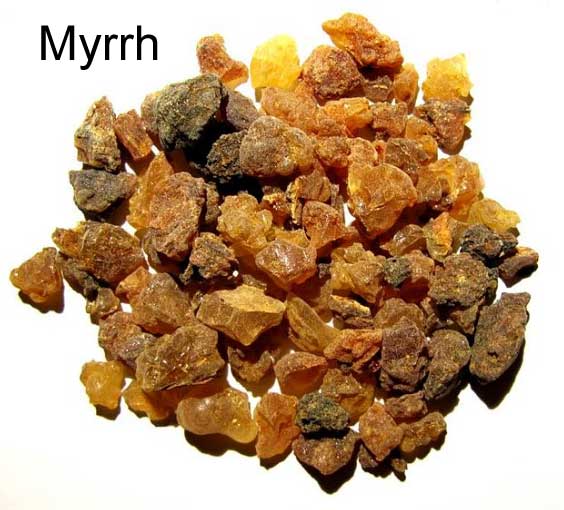
Myrrh essential oil is anti-fungal, antiseptic, antibacterial, and astringent.
Myrrh essential oil is used to treat muscular pain and to heal stubborn sores that won't go away. It is also an excellent remedy for fungal infections including ringworm and athlete's foot.
Use myrrh essential oil in chest rubs and massage oils.
Myrrh oil is a good addition to chest rubs, mouthwashes, toothpastes, and hemorrhoid ointments, but the oil should not be swallowed or taken internally.
For coughs due to colds and other lung problems, use diluted myrrh oil as a chest-rub. This mixture also relieves muscle and joint pain when used in massage.
- Combine six drops of myrrh essential oil with a quarter cup of grapeseed oil or other cold-pressed oil.
- Add a few drops of rosemary essential oil for added strength.
- Rub on chest as needed to soothe cough and reduce phlegm.
Myrrh essential oil can be used in gargles.
When treating a sore throat, sinus problems, or laryngitis, add a drop of myrrh essential oil to a quarter cup of warm salt water. Gargle to help speed healing and reduce pain. Myrrh can also heal and prevent gingivitis and other stubborn gum diseases.
Myrrh essential oil stimulates growth of healthy cells.
Myrrh essential oil is known to kill harmful bacteria and to stimulate the activity of white blood cells. Myrrh improves the immune system and stimulates regeneration of normal, healthy cells.
Myrrh is a well known remedy for inflamed tissue and may even have anti-cancer properties.
Sprinkle myrrh powder on sores that refuse to heal.
Myrrh resin is used to lower cholesterol and in the treatment of mouth ulcers. It is also used to help indigestion, stomach ulcers, colds, cough, asthma, and lung congestion.
Myrrh bead jewelry
Myrrh resin is also made into beads for making beaded jewelry. I love to work with myrrh beads! Just stringing them into a bracelet or anklet brings me peaceful feelings. Read more about using myrrh beads in crafts and jewelry making.
Visit our Every Green Herb shop to purchase one of my ready-made myrrh bracelets.
You can also order a custom myrrh bracelet at my Etsy Shop.
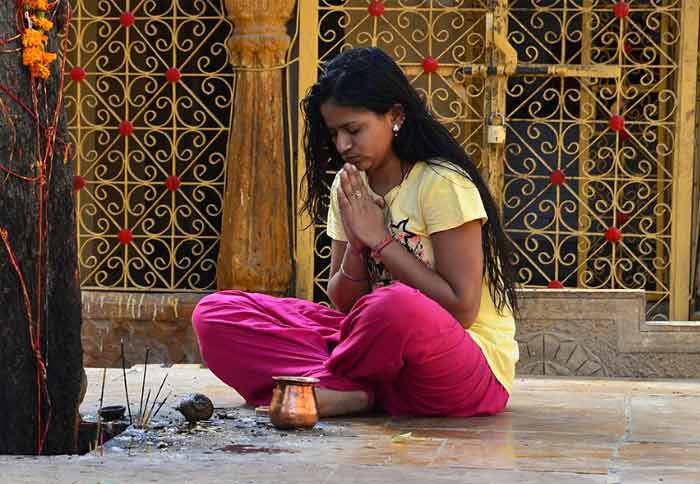
All about frankincense
Frankincense essential oil helps in the treatment of depression.
Frankincense essential oil is used in aromatherapy to uplift the spirit, warm the body, and bring reassurance to anyone lacking self confidence. It can also help break emotional ties to the past.
Frankincense is revered as a holy perfume and the resin is frequently burned as incense. Like myrrh, frankincense can also help heal stubborn sores and wounds.
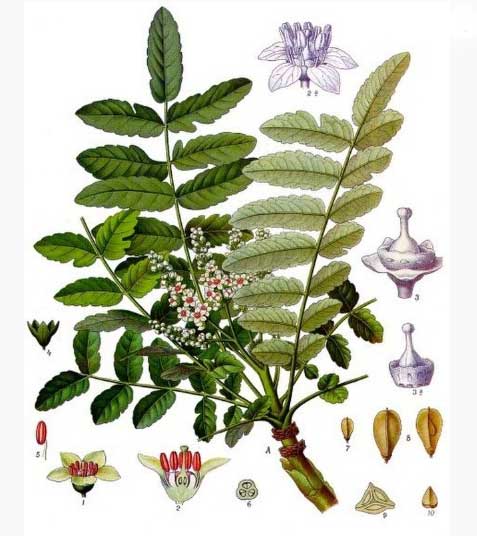
Luxuriant incense
The word frankincense means “luxuriant incense”. When burned, frankincense gives off “trahydro-cannabinole” which is thought to expand the consciousness. Frankincense is often used in meditation and religious ceremonies.
Frankincense resin is also made into a useful essential oil that is used in aromatherapy and skin treatments.
Frankincense essential oil is extracted from the resin of the Boswellia shrub by steam distillation. It has a warm rich scent that is slightly lemony.
Frankincense is a strong anti-inflammatory that when used on wounds and sores, can prevent breakdown of surrounding connective tissue. It is used when treating spider bites, stubborn wounds, boils, skin infections, rheumatoid arthritis, and low back pain.
I am living proof that it works to heal spider bites and muscle pain. Frankincense is a must have in our household.
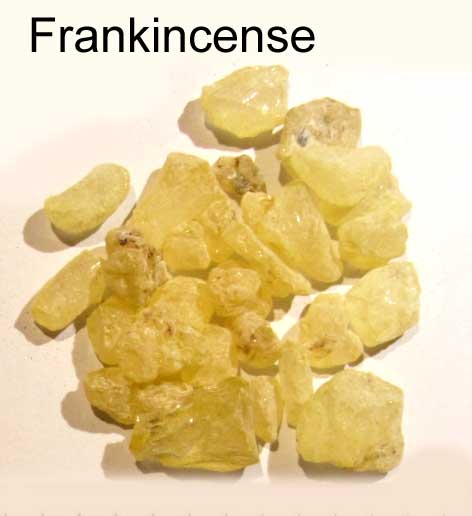
Frankincense essential oil is good for the skin.
Frankincense has many uses. It has astringent and restorative properties that make it an excellent ointment for aging skin.
Frankincense essential oil can be added to creams, lotions, and medicinal ointments, but use with caution. It only takes a few drops because essential oils are powerful substances.
Use frankincense creams and lotions as moisturizer. Use frankincense ointment as a salve. Frankincense can also be added to muscle rubs and massage oils.
It is great for sore joints. I used diluted frankincense oil whenever my bad knee acts up from overuse. I also use it on the bottoms of my feet when they are aching and tired.
Frankincense is helpful in many ways.
Frankincense essential oil helps regulate breathing and calms coughing spasms. It helps clear the lungs and nasal passages and eases shortness of breath.
Frankincense helps strengthen the urinary system, too.

Frankincense essential oil brings restful sleep.
Frankincense is also a good nerve tonic. It calms the mind and helps muscles to relax.
Use a few drops in a hot bath before bed time to promote a restful night’s sleep. Frankincense is often used as a natural remedy for insomnia.
Frankincense essential oil is calming.
In many cultures, frankincense is burned during labor to promote a calm, focused atmosphere during child birth. It should never be used during pregnancy (until labor starts). If overused, frankincense may cause nausea and other bad reactions.
Frankincense’s fragrance is long lasting and penetrating. Frankincense oil should not be used in large doses or for extended periods of time.
Benefits of frankincense and myrrh
After viewing dozens of videos about frankincense and myrrh, this one stood out as the best. I learned a couple of new things, including how frankincense and myrrh can help treat cancer.
Harvesting the resins
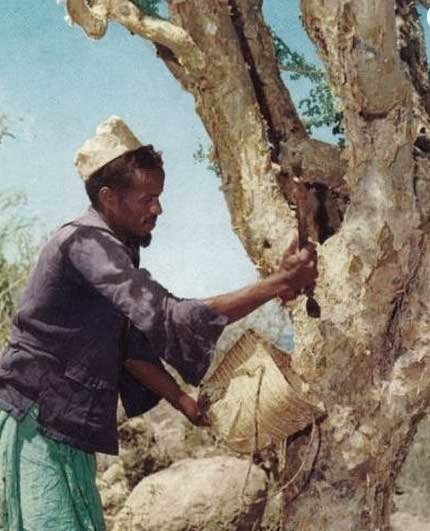
The processes for extracting the sap of Boswellia (for frankincense) and Commiphora (for myrrh) are the same. Harvesters make a cut in the tree's trunk, which injures the bark. The sap oozes from the cut and drips down the tree, forming droplets that are left to harden on the tree.
The resin drops are collected after a couple of weeks.
Frankincense or myrrh? Which do I choose?
Frankincense, which is often burned as incense, symbolizes prayer rising to the heavens like smoke, while myrrh, which was once used in embalming, symbolizes entrance into the afterlife.
According to Chinese medicine, a healthy body is dependant on blood movement. In China, myrrh is often used to improve circulation.
Myrrh is neutral, bitter, and draining. It quickens the blood and breaks stasis. Myrrh also disperses swelling and stops pain.
Frankincense is warm, aromatic, acrid, and moving. It moves blood and qi, quickens the blood, soothes sinews, and frees the flow of meridians.
When these two medicinals are combined together, they create a synergy effect.
The Institute of Traditional Medicine quotes Yang Yifan. Here is a condensed version, "Frankincense and myrrh are aromatic herbs. They are very bitter, pungent, and move quickly. The two herbs are often used together to enhance the therapeutic effect."
"In clinical practice, they are often applied to reduce pain and swelling in trauma, arthritis, and fractures."
"Frankincense ZA enters the heart and lung meridians. Frankincense is especially suitable for conditions where the joints and muscles are very stiff, swollen, and painful. It is also often used topically more than myrrh."
"Myrrh is neutral and it enters the liver meridians. Compared with frankincense, myrrh is more bitter and its dispersing action is also stronger. Myrrh is stronger than frankincense for breaking up congealed blood and is used not only in trauma and fracture, but also for hard masses, such as tumors."
The science of myrrh and frankincense
Studies on myrrh and frankincense show that both resins are effective against cancer and inflammation.
With high levels of terpenes and essential oils, they are even stronger when combined. When you blend myrrh and frankincense, changes take place and a new chemical emerges.
The combo of these two resins causes a synergistic action that is anti-cancer, anti-tumor, antibacterial, and more. Even the scientists say it is almost like magic.
Frankincense resin is harder than myrrh, and myrrh resin is oilier than frankincense.
In China, myrrh and frankincense are proven to heal mouth sores better than prescription medicine.
Frankincense and myrrh are very useful in the treatment of rheumatoid arthritis. The two resins are used together to relieve pain and increase blood circulation.
These two resins also have other effects including improving memory, relieving pain, helping acute pancreatitis, reducing swelling of the joints, and protecting from stress related conditions.
More about myrrh and frankincense
Myrrh and frankincense resins can be dissolved in alcohol based tinctures. They can also be dissolved in oils. Sometimes the powdered resins are sprinkled on top of herbal teas or wine and taken that way. Myrrh and frankincense do not dissolve in water.
Myrrh and frankincense bring about feelings of peace. They are often burned in religious ceremonies and have been around for thousands of years. The earliest mentions of myrrh and frankincense are in the Hebrew Bible.
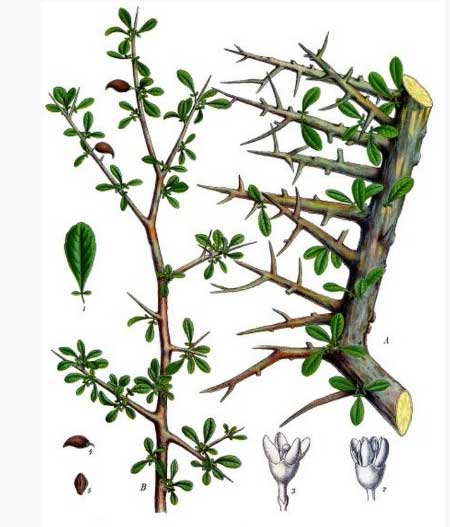
Myrrh and frankincense essential oils are produced from the resin of shrubby trees.
Myrrh and frankincense are are harvested from the stems of the bushy shrubs found growing in arid regions of Arabia, Somalia, and other parts of North Africa and the Middle East. Both are useful in herbal medicine, in aromatherapy, and in the treatment of gum disease.
A little about gold in alternative medicines
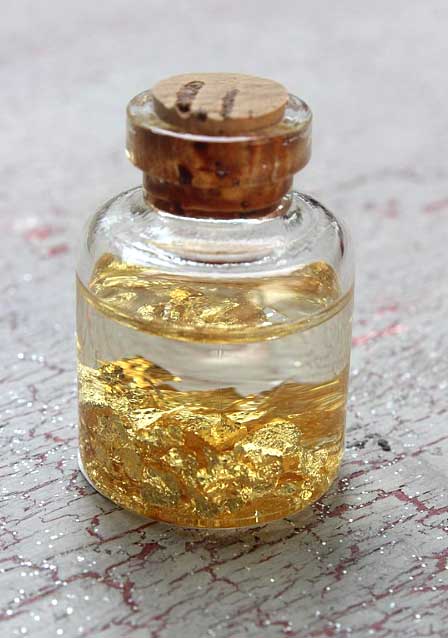
Gold is a very valuable mineral. This yellow metal is so precious, our whole money system is based on it. It is also valuable when used as a medicine!
Gold plays a big part in Ayurveda medicine which includes herbs, minerals, diet, exercise, and metals. It is believed that consuming gold dust can help treat everything from diabetes to mental disorders.
Personally, I have never taken gold as a remedy because of the expense. I am happy with my frankincense and myrrh!
I think it is apt that gold, frankincense, and myrrh are mentioned in the Bible as precious gifts. I know that frankincense and myrrh are precious to me, and I am thankful for them.
Read more at Science Direct to learn more about using gold to treat various conditions.
*Overuse of myrrh and frankincense can cause diarrhea, irritation of the kidneys, headache, and other problems. Do not use myrrh or frankincense during pregnancy.
Keep all essential oils away from the eyes. Do not take essential oils internally without consulting a qualified professional. Always dilute essential oils with good carrier oil and test on small area of skin before use.
Always consult with a healthcare professional before using any herbal remedy especially if pregnant, nursing, or taking other medicines.
Sources:
https://www.ncbi.nlm.nih.gov/pmc/articles/PMC6749531/
https://www.ncbi.nlm.nih.gov/pmc/articles/PMC4556964/
Blessings to you and yours!
Thanks so much for reading my blog. Jan.

*Note - the information on this website has not been evaluated by the Food and Drug Administration.
© 2005-2024 website design and content by Janice Boling